Foreside Barn to Home
Converting a Historic Barn into a High Performance Home
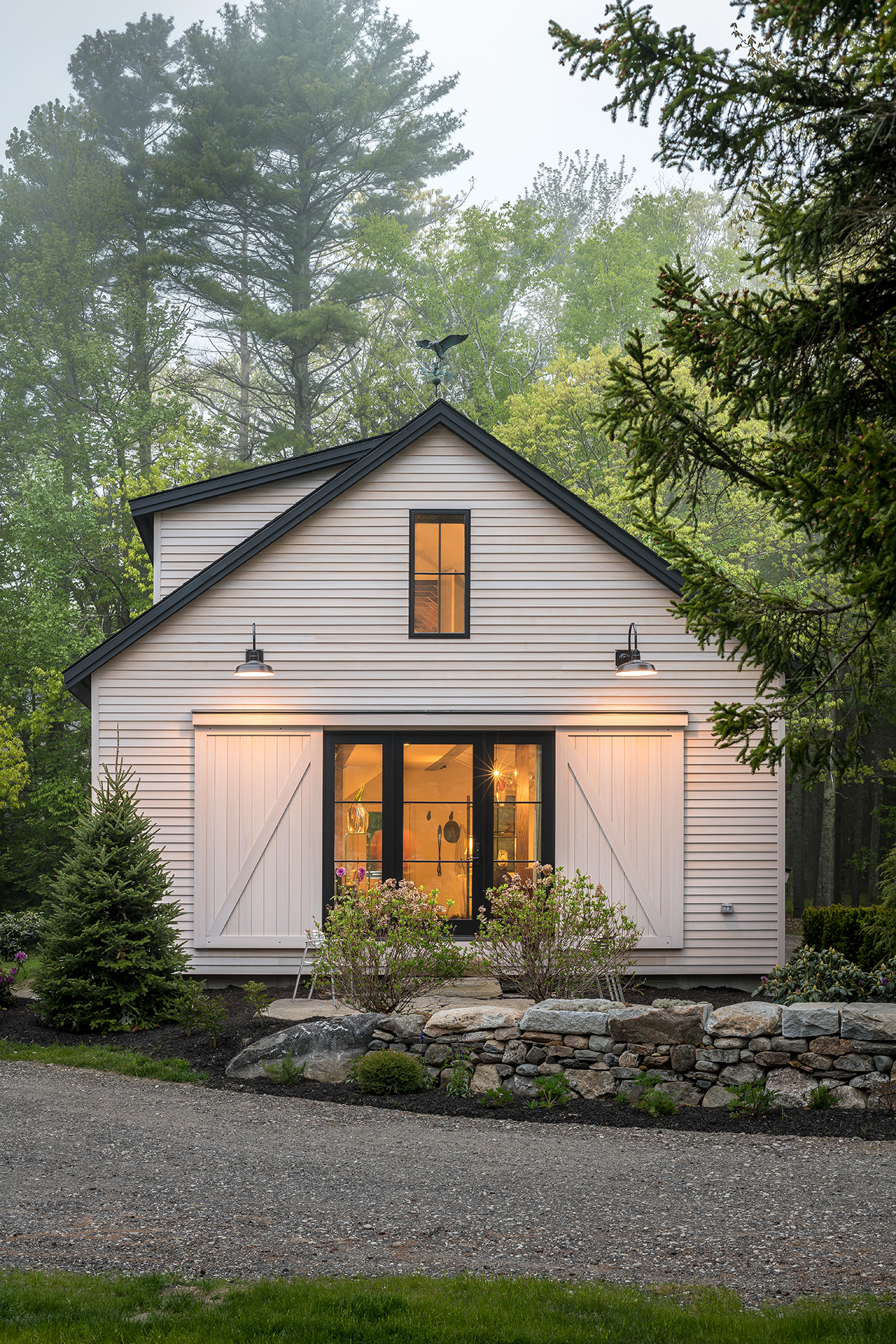
On a rainy December day, we headed down to Falmouth to meet with a new client and take a look at an old barn they were hoping to transform into a home. On the phone the client, an interior designer, had explained that the structure had some really unique attributes that he believed had great potential. From the outside, the barn looked small and unassuming, not something you would think twice about. It was a single room, with a rickety old staircase connected to a loft by a couple of planks laid on the trusses. The structure seemed like a typical yankee style barn, until we noticed the floor.
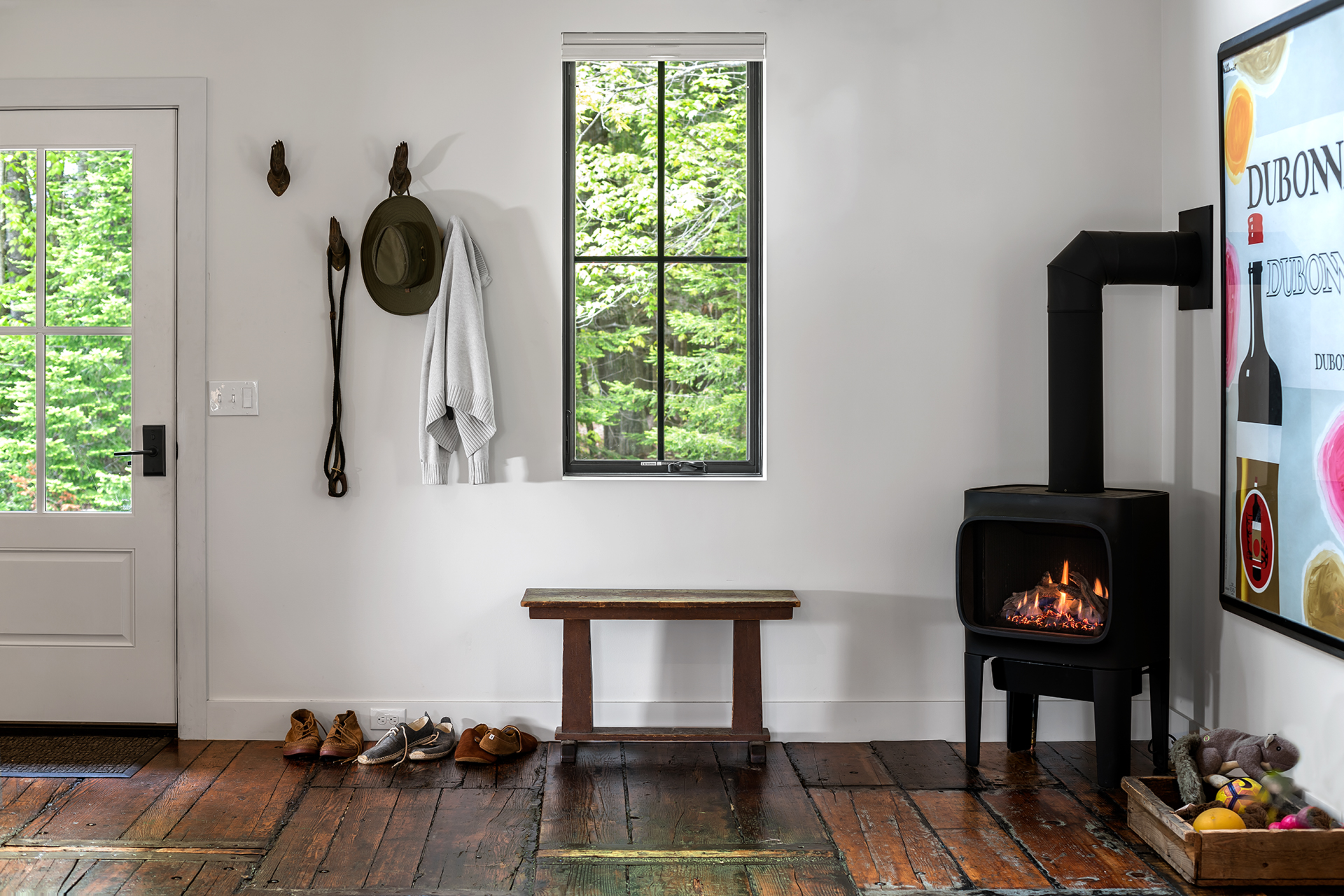
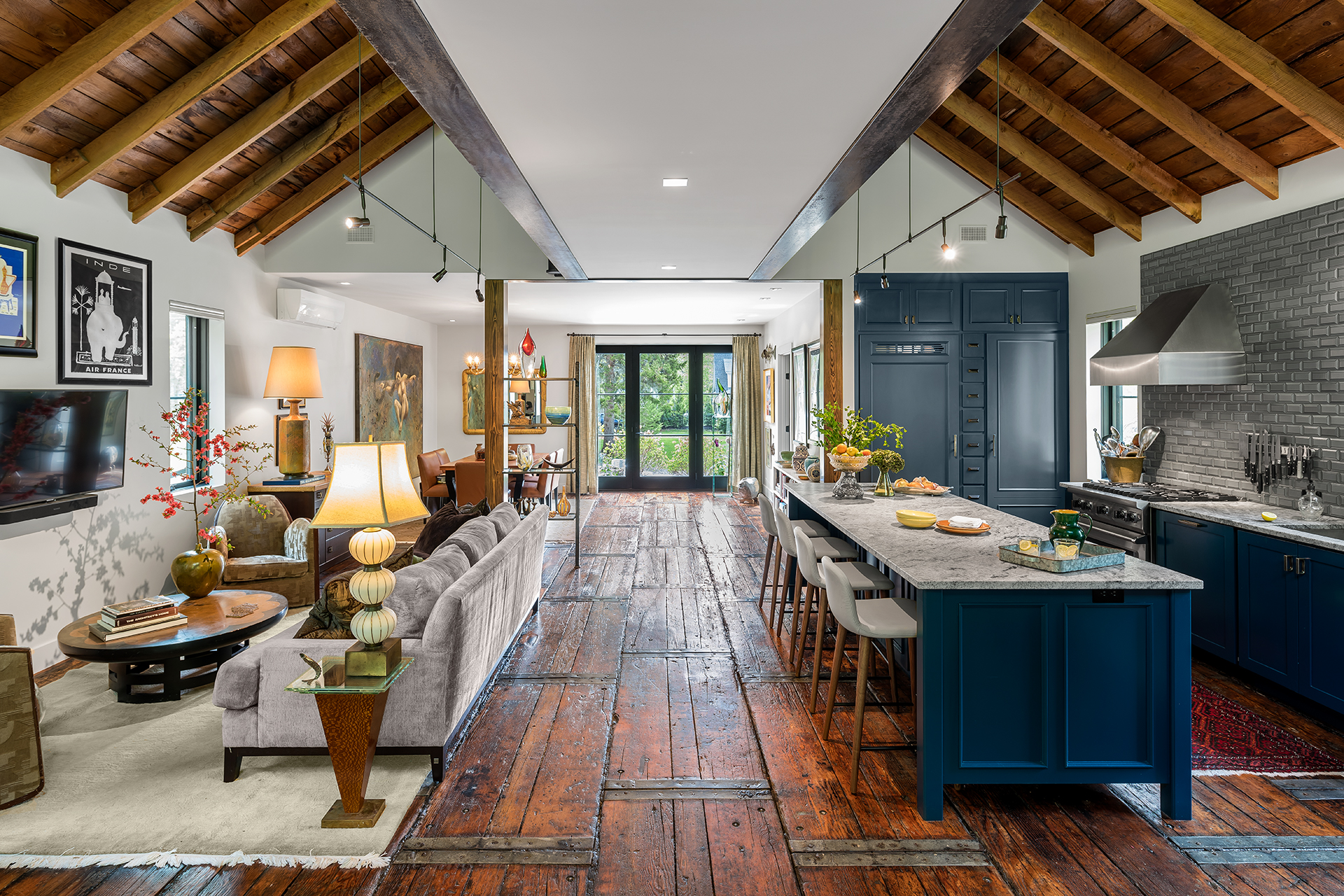
We could hardly believe it at first, but the entire floor was composed of ship hatches. They were big, 3 by 5 foot panels, 3 inches thick with steel bands and bronze rods. The hatches were from Liberty ships, a class of cargo ship built in the United States during World War II, built to bring supplies to Great Britain. They were built quickly and inexpensively because many were destroyed by German U-boats. Of the 2,710 Liberty ships built, over 250 of them were built in Maine. Once the war was over, the boats that survived were taken apart for scraps. The hatches were left in big piles and sold at low prices or given away. Whoever built this barn, likely in the 60s or 70s, was able to get a hold of enough hatches to build the entire floor. Over the years the barn had been used for many purposes, and had acquired a patina, which we took extreme care to preserve.
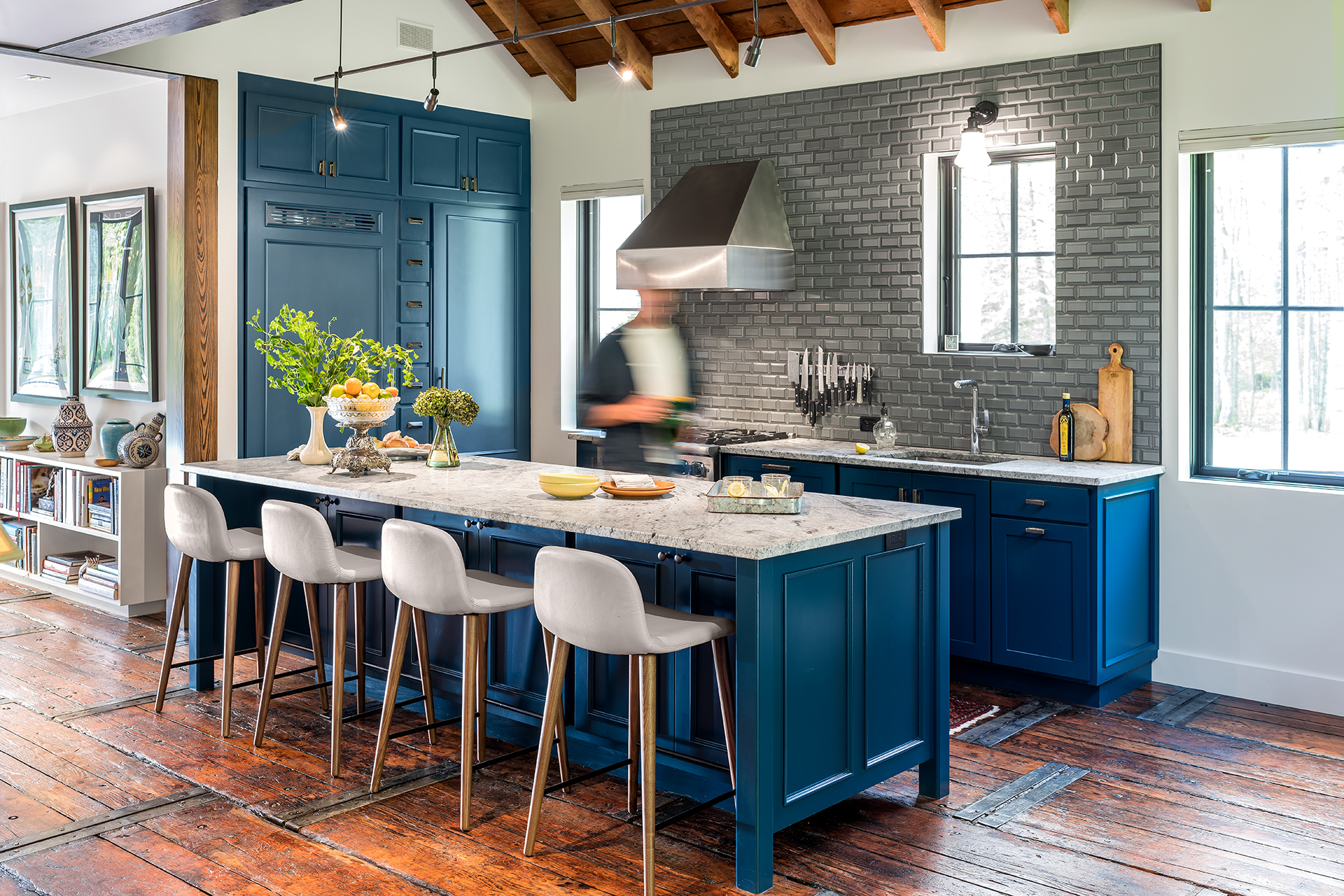
From the beginning our client had a very personal vision. He hired Briburn Architecture to get his vision on paper, and he was engaged in the remodel every step of the way. The client and his husband have an incredible art collection, and the placement of these pieces was an important aspect of the design. We also worked with Briburn during the design process to make sure it included the necessary elements for a super airtight and energy efficient home. The space we were working with was relatively small, so figuring out how to fit all the elements together was like doing a jigsaw puzzle; every piece had to be intentionally placed, and at times it could seem impossible.
The first challenge was preparing the original structure for the remodel. It was full of lead paint and other harmful materials that needed to be carefully removed and properly disposed of. Once we stripped the barn down, we had to level, straighten, and tweak it into submission. This process involved rebuilding some wall sections in such a way that we did not damage the parts we were trying to preserve. Once the bones were securely in the correct places, it was time for the fun to begin.

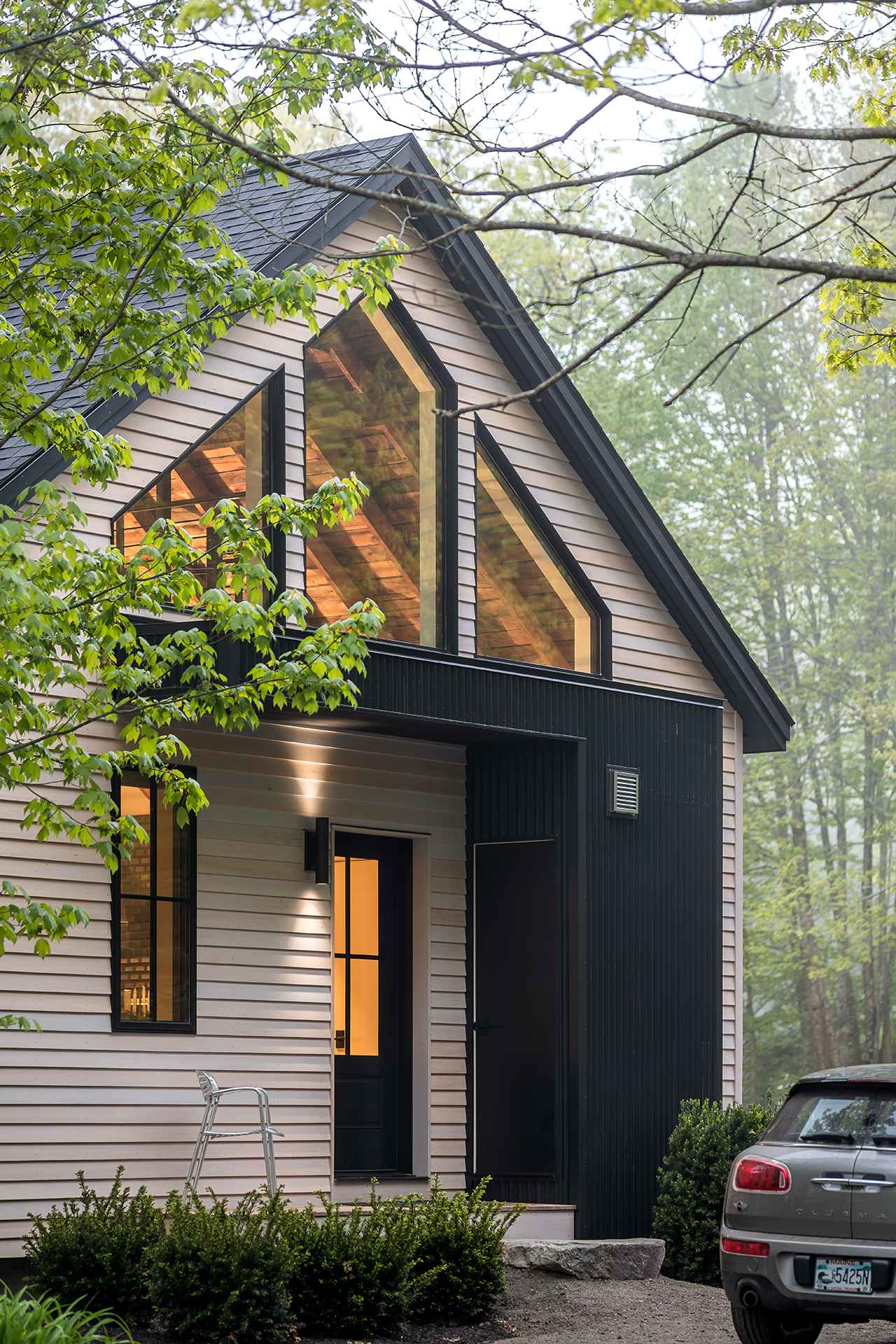
Our client wanted to preserve the original layout of the barn, and recreate the stairs and catwalk that led to the loft area. Part of his vision was to feel like he was waking up each morning and walking out into nature. The design accomplished this by removing the truss work and creating a vaulted ceiling, so when you open the bedroom door, you would see down the catwalk and out a set of large polygon windows into the trees. The difficult part was executing this. Removing the trusses meant we needed to support the roof system in an entirely different way.
To start, we built a temporary support system while we cut away the trusses. Then we had to jack the roof up into a straight plane to prepare for new timber beams that would carry the roof load. All the while, we worked very carefully so we would not remove the patina on the existing wood. For the new support system, we had to add horizontal steel beams to carry the timbers above. Figuring out how to get these 1,000 pound beams into the house and in place without damaging the structure created one of the biggest challenges of the project.

There was no way for us to get the beams into place without creating some sort of opening, but we didn’t want to compromise the structure by creating one that would be visible once the remodel was complete. We ended up cutting small openings in strategic places in the roof, which allowed us to rig the beams to our heavy duty forklift outside. Our crew member outside operated the forklift, to lift and lower the beams in the building, while the other crew on the inside gave directions and bolted the beams in place. The process was tedious, exciting, and nerve wracking all at the same time, like playing the biggest game of jenga, but with serious consequences for any misstep. Challenges like this are what bring us to work every day, and against the odds we installed the new support system without so much as a hiccup.
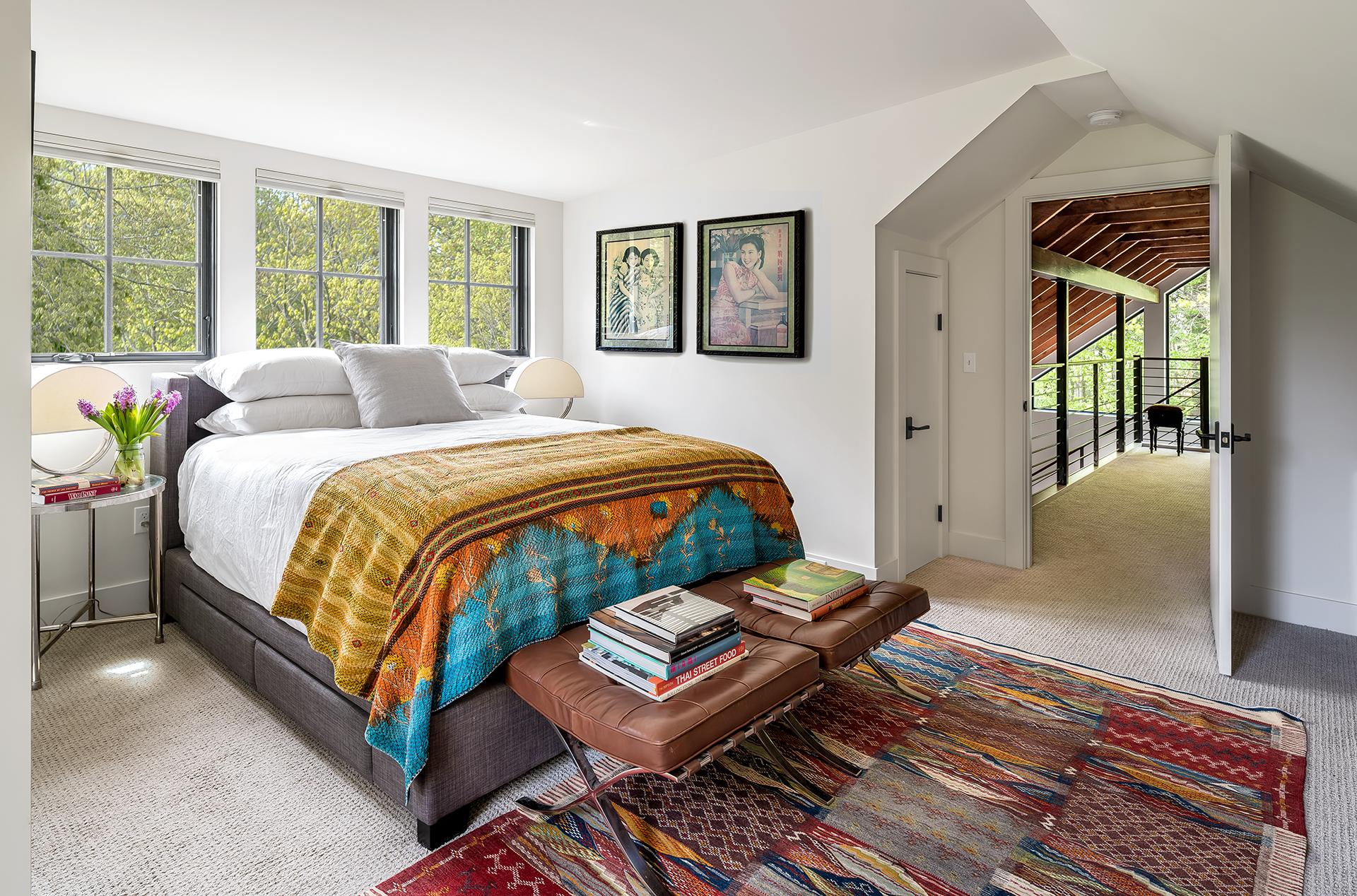
The next step was turning this old structure into an airtight, energy efficient home. Since we were working within an existing building, we had to approach this task differently than if we were starting from scratch. In order to preserve the look of the original raw wood ceiling, we built a 16 inch insulation cavity on top of the old roof. We started with a dark-colored membrane against the roof boarding so that you can’t see through the cracks, and then installed ProClima Intello X, a “smart barrier” that is vapor open, and airtight, allowing us to airseal the roof. We then built our vented roof system using 16” TJI joists, and filled the cavities with dense pack cellulose insulation.
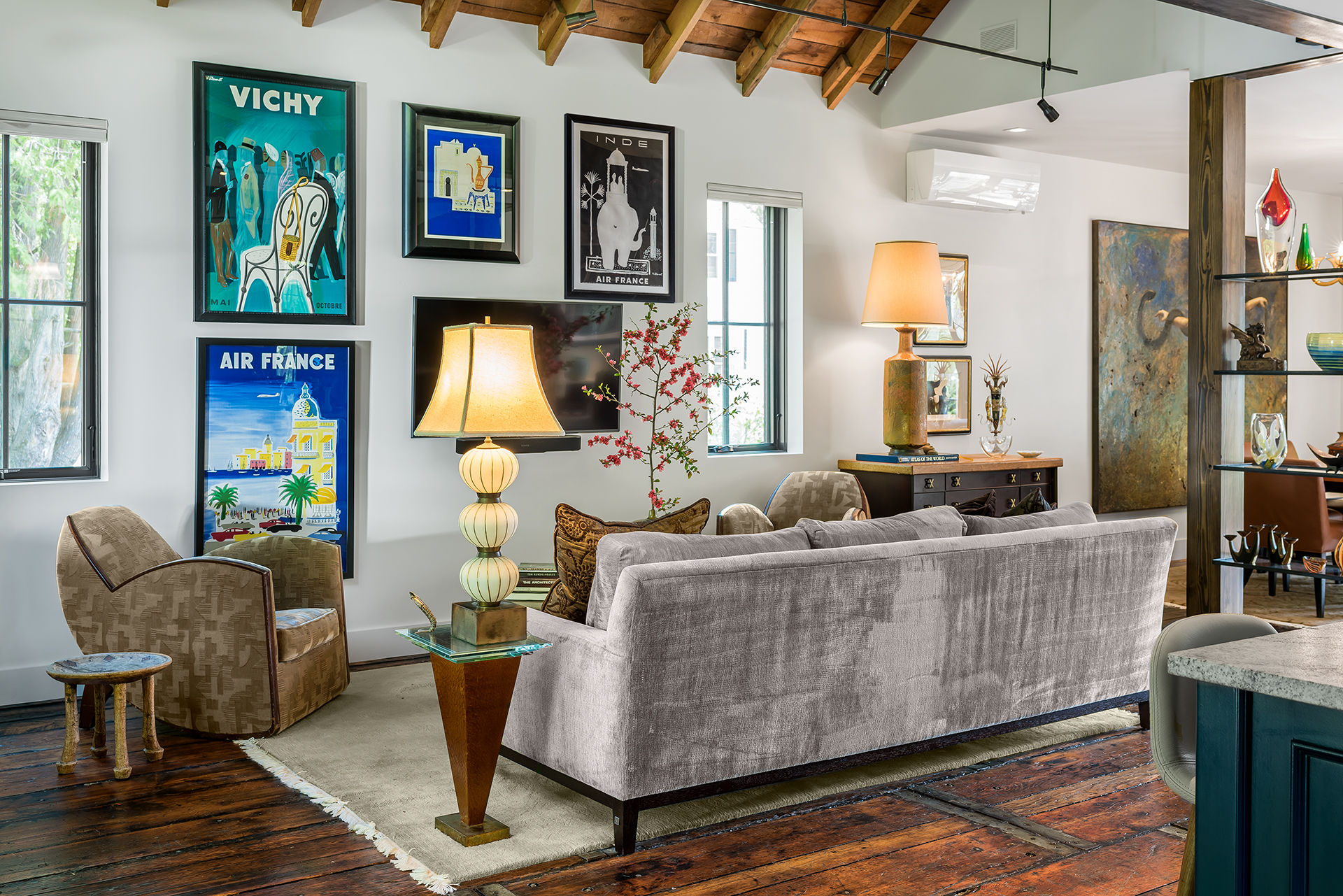
For the walls we had to use a foam for exterior insulation, so we sourced recycled foam for half of it to reduce the environmental impact. Because of how airtight we were able to make the space, we needed to install an air exchange system that would bring in fresh filtered air and provide really great air quality. Implementing the machinery required for this system, as well as two heat pumps, took a lot of careful consideration and coordination with the installer. We wanted to place both systems in the best possible location for functionality while keeping them relatively hidden so they would not become the focal point.
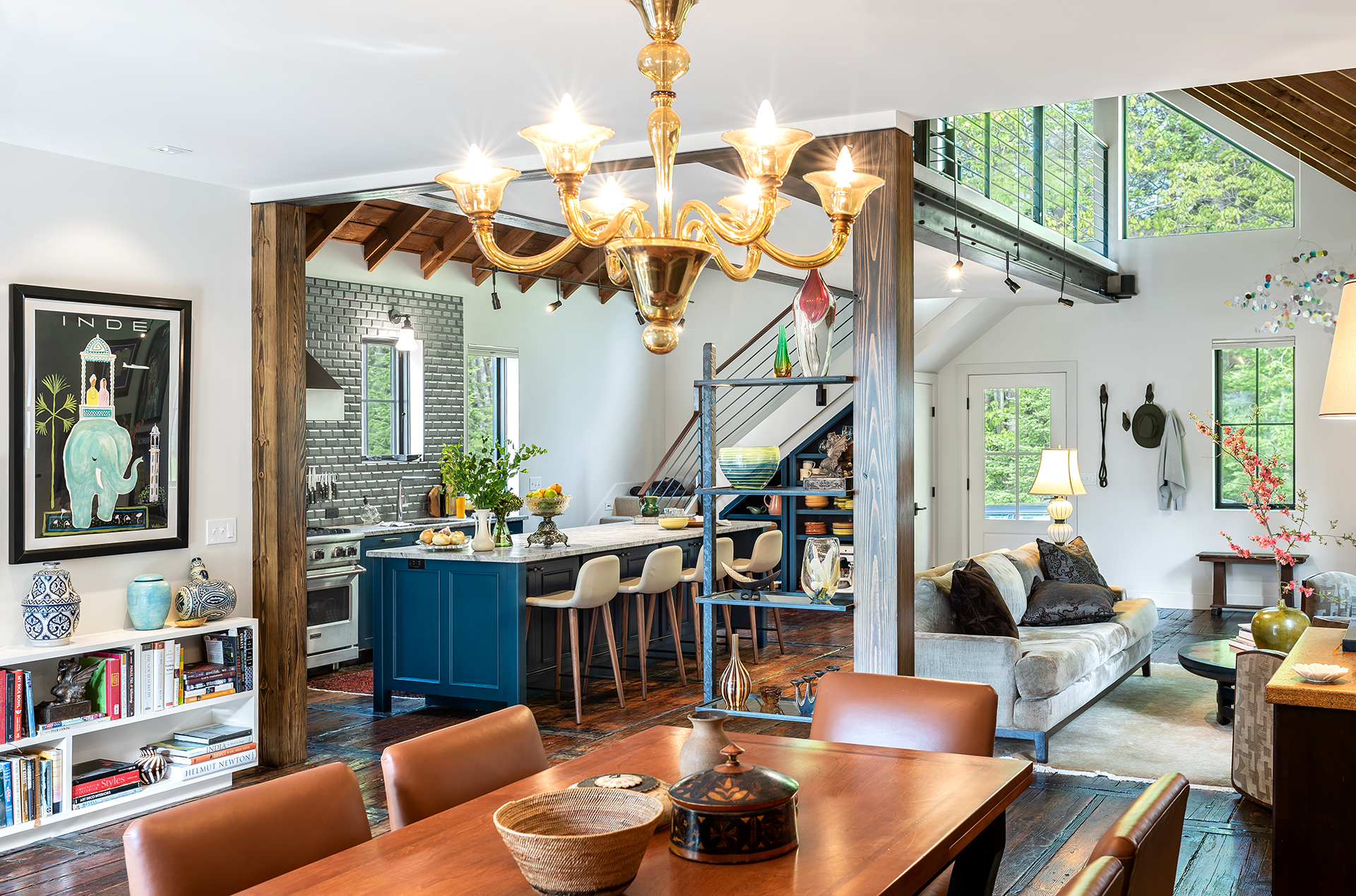
This home build was fun for us in so many ways. We loved how inspired the client’s vision was, and enjoyed working closely with him to bring it to life. In a way, this home is a work of art. It is a masterpiece composed by a team of skilled creative minds, designers, craftsmen, and builders. It instills a sense of magic and mystery in those who enter. It is nearly impossible to tell how the final result was achieved, and from the appearance, most would never know that it is a high performance home. This build shows how high performance does not have to mean modern and minimalistic. It was important to our client that their home fit into the neighborhood, while having a modern flavor. We build airtight, energy efficient homes to fit your style, whatever that may be.